The Art of Equine Design: Practical Uses for Horse Illustrations
In the world of visual storytelling, few subjects capture the spirit of freedom and power quite like the horse. When you are building a brand or curating a design project, finding the right visual asset is often more about utility than just aesthetics. This is where a high-quality collection of Horse Illustrations becomes an indispensable part of your design toolkit. Whether you are a graphic designer assembling a logo for an equestrian business, a content creator looking for unique social media graphics, or a crafter working on physical products, having access to versatile vector art changes the game. The difference between a professional result and an amateur attempt often lies in the quality of the source files, specifically the availability of EPS files for scalability and high-resolution JPGs for immediate digital use.
Visual Characteristics and Stylistic Versatility
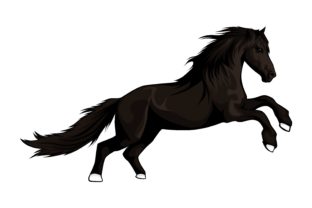
When we talk about an Illustration of a horse, we aren't just referring to a generic picture of an animal. A well-crafted set of Horse Illustrations usually captures specific personality traits—grace, agility, or raw strength—depending on the pose and artistic style. These assets often range from realistic, detailed renderings that mimic the musculature of the animal to stylized, modern minimalist designs that fit seamlessly into contemporary brand identity work. The appeal lies in the versatility. You might find line art that works perfectly for coloring books or embroidery patterns, alongside bold, filled silhouettes that are ready for packaging design or signage.
The visual weight of these illustrations matters. A heavy, ink-based illustration communicates stability and tradition, making it ideal for heritage brands or editorial design in high-end magazines. Conversely, a lighter, sketch-style illustration can convey approachability and movement, which is perfect for lifestyle blogs or wellness brands. Understanding the visual language of the asset you choose is the first step in ensuring it resonates with your specific audience. It is not just about filling space on a page; it is about adding a layer of meaning that words alone cannot convey.
Strategic Applications in Branding and Marketing
For entrepreneurs and small business owners, the application of Horse Illustrations extends far beyond simple decoration. In logo design, a horse can symbolize speed, reliability, or a connection to nature. However, using a stock illustration for a logo requires a specific approach. You would typically need to modify the vector file (EPS) significantly to create a unique mark that no one else has. This ensures your brand identity remains distinct. If you are using the illustration as a secondary element or a background texture, the requirements are less strict, but the quality still needs to be high enough to avoid pixelation on large format prints.
In the realm of marketing, these illustrations serve as powerful focal points. Imagine a direct mail campaign for a financial advisor; the imagery of a stallion conveys power and market leadership. Alternatively, a children’s educational platform might use softer, friendlier horse illustrations to create a welcoming environment. The key is matching the emotional tone of the illustration with the campaign's message. Social media graphics also benefit immensely from these assets. In a crowded feed, a striking, artistic illustration stands out against the noise of standard stock photography, helping to increase engagement and shareability.
Furthermore, consider the physical product space. Crafters and hobbyists often utilize these files for heat transfer vinyl (HTV) projects, stickers, and greeting cards. The availability of an EPS file is crucial here, as it allows for clean cutting paths on machines like Cricut or Silhouette. Without a clean vector path, the machine cannot accurately trace the design, leading to jagged edges and wasted material. Therefore, the technical specification of the download—specifically the inclusion of vector formats—is not just a bonus; it is a functional necessity for production.
Technical Considerations: Why File Formats Matter
A common hurdle for those new to design is understanding why file formats matter so much. When a download includes both an EPS file and a JPG file, it is offering you the best of both worlds: editability and convenience.
The EPS (Encapsulated PostScript) file is a vector format. This means the image is made of mathematical equations rather than pixels. You can scale an EPS Illustration of a horse to the size of a billboard or shrink it down to a postage stamp, and the edges will remain perfectly crisp. This format is compatible with professional design assets software like Adobe Illustrator, Affinity Designer, and CorelDRAW. It allows you to change colors, isolate parts of the horse, or combine the illustration with other graphic elements to create a complex composition.
The JPG file, on the other hand, is a raster image. It is "flattened," meaning you cannot easily separate the elements or change the colors without advanced photo editing skills. However, it is universally compatible. You can drop a JPG into a Word document, a PowerPoint presentation, a Canva template, or upload it directly to a website without any conversion. For many busy professionals who need a quick visual solution without opening complex software, the JPG is the workhorse (pun intended) of their workflow.
Evaluating Fit for Your Specific Project
Before purchasing or downloading Horse Illustrations, it is wise to conduct a brief audit of your project's needs. This prevents the common mistake of acquiring assets that look great in isolation but clash with your existing design elements. Here is a practical checklist to guide your decision:
- Visual Harmony: Does the style of the horse illustration match your existing typography? If your brand uses a modern, geometric sans serif font, a highly ornate, vintage-style horse might look out of place. Look for illustrations with clean lines and minimal shading. Conversely, if your brand relies on a classic serif font or an elegant script font, a detailed, traditional illustration will likely pair better.
- Color Palette: Check if the illustration comes in a color scheme that matches your brand. Since you have an EPS file, you can change the colors, but if the illustration relies on shading and gradients to show depth, changing it to a solid flat color might ruin the effect. Look for "flat" or "line art" styles if you need maximum color flexibility.
- Orientation and Space: Consider the layout of your design. Is it a wide banner (requiring a horizontal illustration) or a vertical poster? Ensure the negative space around the horse fits your text placement needs.
- Commercial Licensing: This is critical for professionals. Always verify the license. A standard license usually covers web use and small-scale print runs. If you are planning to print the illustration on t-shirts for resale or use it in a massive national advertising campaign, you may need an extended commercial license. Never assume a free download is free for commercial use.
Enhancing Visual Hierarchy and Audience Engagement
Good design is about guiding the viewer's eye. Horse Illustrations can be used as a tool for visual hierarchy. A large, bold illustration can act as a "stop sign" for the eye, immediately grabbing attention on a website homepage or the cover of a brochure. Once you have their attention, you can guide them toward your headline or call-to-action button.
When integrating these illustrations into web design, performance is key. While the EPS file is high quality, you should not upload it directly to a website. Instead, export it as an SVG (Scalable Vector Graphic) for the web, which keeps the file size small and the lines crisp on retina displays. If you must use a raster format like JPG or PNG, ensure it is optimized for speed so it doesn't slow down your page load times, which can negatively impact SEO.
For publishing and editorial design, an illustration can break up long blocks of text, making the reading experience less daunting. In a magazine layout or a blog post, a spot illustration of a horse can add a touch of personality without overwhelming the content. It acts as a visual rest stop, keeping the reader engaged as they scroll through the material.
Practical Tips for Font Pairing and Typography
While the primary focus here is on the visual asset, typography plays a massive supporting role. If you are overlaying text on top of or next to your Horse Illustrations, legibility is paramount.
If your illustration is busy or detailed, pair it with a sans serif font that has a clean, open structure. Avoid thin, spindly fonts that will get lost against the texture of the illustration. If the horse illustration is a simple silhouette, you can afford to be more adventurous with your type choices, perhaps using a bold display font or a sophisticated serif font to create contrast.
For projects that require a personal touch, such as wedding invitations or boutique branding, pairing a detailed horse illustration with a handwritten font or a flowing script font can create a cohesive, artisanal feel. However, ensure that the "ascenders" and "descenders" of the script (the parts of the letters that go up and down) do not interfere with the legs or head of the horse, which can create visual clutter.
Ultimately, the goal of using an Illustration of a horse is to enhance your message, not distract from it. By choosing high-quality premium font assets and illustrations that are technically sound (EPS/JPG) and stylistically appropriate, you elevate your work from simple content to compelling visual communication. Whether you are designing a logo, a website, or a product label, these assets provide the flexibility and professional finish required to stand out in a competitive market.