Labour Tools Illustrations: A Fresh Take on Industrial Design
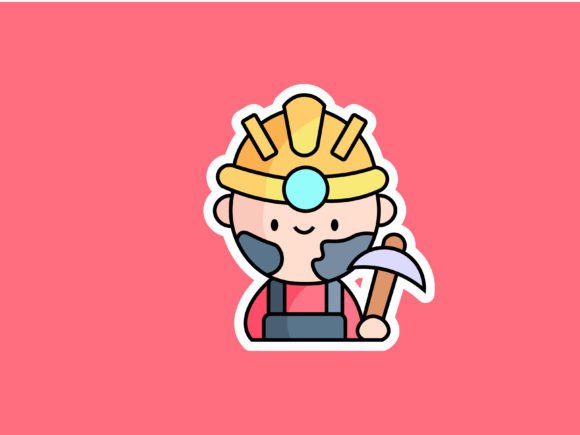
When we talk about design assets, we often focus on typefaces and complex textures. However, a truly versatile collection relies on strong visual metaphors. Labour Tools Illustrations is a specific design collection that moves beyond standard typography. It focuses on the visual language of industry, craftsmanship, and utility. This set is not just about pictures of hammers and wrenches; it is about capturing the aesthetic of hard work through clean, modern design. For designers, publishers, and entrepreneurs, this collection offers a distinct visual identity that stands apart from typical floral or abstract vectors.
Understanding the Visual Style
The core appeal of this collection lies in its balance between realism and artistic interpretation. Labour Tools Illustrations typically features line art or flat vector styles that feel contemporary rather than dated. The visual personality is sturdy and grounded. It speaks to reliability and manual effort without feeling cluttered or overly technical. The illustrations likely use clear outlines and negative space, making them scalable for various applications. This approach ensures the images work well as both standalone features and background elements. The "modern typography" aspect comes into play when these images are paired with clean sans-serif or industrial-styled serif fonts, creating a cohesive brand identity for projects centered on construction, DIY, or craftsmanship.
Unlike complex 3D renders, these illustrations are designed for flexibility. They maintain their clarity whether printed on a small phone case or enlarged for a poster. The aesthetic is approachable, making it suitable for commercial use where clarity is paramount. It avoids the "clip art" look by focusing on consistent line weights and thoughtful composition.
Strategic Applications for Creators
The utility of Labour Tools Illustrations spans a wide range of creative projects. For packaging design, particularly in the hardware, gardening, or artisanal food sectors, these images provide immediate context. A coffee roaster might use a stylized gear or wrench illustration to suggest the "nuts and bolts" of their brewing process. For editorial design, these assets break up text-heavy pages in magazines or blogs about home improvement or industrial history.
In the realm of web design and social media graphics, consistency is key. Using a unified set of illustrations ensures that your Instagram grid or website hero section looks professional. Consider using these illustrations for:
- Totebags and T-shirts: Simple line drawings translate well to screen printing and DTG methods, offering a vintage or minimalist vibe depending on the color palette.
- Book and Notebook Design: For children’s books, these illustrations can educate about different professions. For adult journals or planners, they add a rugged, utilitarian aesthetic suitable for "Bullet Journaling" or project planning.
- Printed Paper and Patterns: Creating a seamless pattern of gears, saws, or rulers can turn a plain notebook cover into a bespoke design asset.
- Easter and Seasonal Themes: While it seems niche, "Labour Tools" can be recontextualized for Easter by focusing on gardening tools—trowels, spades, and watering cans—paired with pastel colors to signify the season of growth.
Influencing Brand Perception
Choosing the right imagery directly affects how your audience perceives your brand. Using Labour Tools Illustrations signals a commitment to substance and utility. It suggests that your product or service is built on solid foundations. This is crucial for businesses in the construction, tech repair, or educational sectors. The imagery acts as a visual shorthand for "getting things done." When applied to marketing materials, it builds trust. A business card featuring a subtle wrench icon feels more grounded than one with generic abstract swirls. This collection helps in establishing a visual hierarchy where the imagery supports the message rather than distracting from it.
Technical Specifications and Integration
For professional designers, file compatibility is as important as the design itself. This collection is delivered with 1 File Ai format and 1 File EPS format. These vector formats are industry standards, allowing for infinite scaling without pixelation. This is essential for large-format printing like banners or signage. Additionally, the inclusion of 1 File JPG format 300dpi and 1 File PNG format 300dpi ensures high-resolution output for digital screens and print-ready documents. The PNG format is particularly useful for overlaying illustrations onto textured backgrounds in photo editing software, as the transparency allows for seamless integration.
Practical Implementation Tips
When integrating these assets into your workflow, consider the following practical steps to maximize their value:
- Evaluate the Color Palette: The default black line art is versatile, but recoloring the vectors to match your brand identity is recommended. Use metallic gradients for an industrial feel or flat pastels for a softer, "maker" aesthetic.
- Test for Readability: If using these illustrations as backgrounds for text, ensure there is enough contrast. You may need to lower the opacity of the illustration or place a semi-transparent overlay between the image and the typography.
- Mix with Typography: These illustrations pair well with display fonts that have character. A bold serif font or a clean geometric sans-serif complements the structured nature of tool illustrations. Avoid overly ornate script fonts unless you are going for a specific vintage repair shop vibe.
- Commercial Licensing: Always verify the specific license terms included with the download. Ensure the usage rights cover your intended application, whether it is for mass-produced merchandise or a single client project.
Ultimately, Labour Tools Illustrations is more than just a set of drawings; it is a functional toolkit for visual communication. It provides the necessary components to build a professional