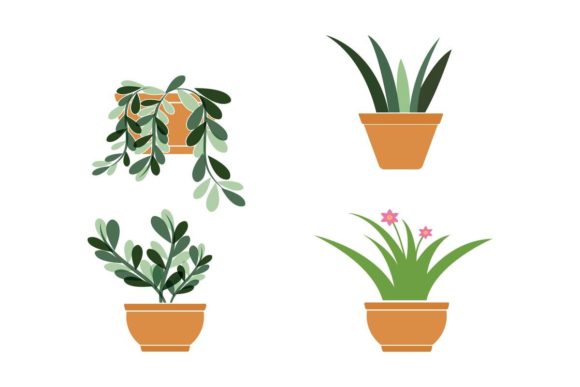
Plant in Pot Illustration Vector: Design Applications
Visual Character and Style Appeal
The visual language of modern design often relies on clean, recognizable elements that convey specific moods without clutter. The Plant in Pot Illustration Vector Template fits this need with precision. It typically features a simplified, stylized depiction of foliage—perhaps a monstera, fiddle-leaf fig, or succulent—housed in a geometric or softly rounded planter. The lines are deliberate, the shapes reduced to their essential forms, and the color palette often leans toward earthy, muted tones or crisp, botanical greens. This isn't a photorealistic rendering; it's a design asset with personality.
Its appeal lies in its versatility and contemporary feel. The illustration style bridges the gap between minimalist and organic, making it feel both modern and approachable. It avoids the overly cutesy or cartoonish look that can date quickly, instead opting for a timeless, graphic quality. This makes the Plant in Pot Illustration Vector Template a valuable component in a designer's toolkit, acting as a visual shorthand for concepts like growth, sustainability, calm, interior living, and natural elegance. Its clean edges and scalable nature ensure it integrates seamlessly into professional workflows.
Practical Applications Across Creative Fields
Understanding where this asset excels is key to leveraging its full potential. Its utility spans a wide range of projects, offering a consistent visual element that can unify disparate pieces of a campaign or brand system.
- Digital & Web Design: In web design, it serves as an engaging hero image element, a decorative section divider, or a charming icon within a navigation menu. For social media graphics, it adds instant visual interest to quote cards, promotional posts, and story backgrounds, helping to establish a cohesive feed aesthetic for lifestyle, wellness, or home decor brands.
- Branding & Marketing: For entrepreneurs and small business owners, it can be a cornerstone of brand identity. Incorporated into logo design, it can symbolize growth and care. On packaging design, it communicates eco-friendliness or artisanal quality. In marketing collateral—from email headers to digital ads—it provides a quick visual anchor that aligns with a brand's values.
- Editorial & Publishing: Bloggers and publishers can use it to break up long text, create thematic section headers, or design custom bullet points. In editorial design for magazines or newsletters, it adds a touch of sophistication to layout compositions, particularly for features on interior design, gardening, or mindful living.
- Print & Craft Projects: The included file formats, such as EPS and JPG, make it perfect for physical applications. Crafters can use it for scrapbooking, custom stationery, or textile patterns. Print-on-demand services can apply it to mugs, tote bags, and art prints, creating products with a polished, professional look.
The key is to match the illustration's style to the project's overall tone. A minimalist version works well for high-end branding, while a more textured or hand-drawn variant might suit a blog focused on DIY crafts. Always consider the context and the message you want the visual to support.
Integrating the Asset into Your Workflow
Simply having a good design asset isn't enough; knowing how to evaluate and implement it effectively separates a good design from a great one. Here’s a practical guide to working with resources like the Plant in Pot Illustration Vector Template.
Evaluating Fit and Quality
Before downloading or purchasing, scrutinize the preview. Does the illustration's style—its line weight, color scheme, and level of detail—complement your existing design assets or brand guidelines? A highly detailed, decorative illustration will clash with a ultra-modern, minimalist typeface. Check the technical specifications: vector formats (like EPS) are essential for scalability in logo design or large-format printing, while high-resolution JPGs are sufficient for web use.
Testing and Pairing
Effective design is about harmony. Test how the illustration interacts with your chosen typography. A bold, geometric sans serif font often pairs well with the clean lines of a modern plant vector, creating a balanced, contemporary look. Conversely, a elegant serif font can add a classic, editorial feel. Play with scale and placement. Sometimes, using the illustration as a subtle, small accent is more powerful than making it the overwhelming focal point.
Licensing and Commercial Use
This is a critical, often overlooked step. Always review the licensing agreement for any design asset. A standard license for the Plant in Pot Illustration Vector Template may cover personal projects and certain commercial uses like small business marketing materials. However, if you plan to use it in a product for resale—such as on merchandise, in a template for sale, or as part of a logo you're designing for a client—you typically need an extended or commercial license. Respecting licensing protects you legally and supports the creators who produce these valuable resources.
Ultimately, the right illustration is one that serves the project's goals. It should enhance the message, not distract from it. By choosing assets that align with your aesthetic vision and using them with intention, you elevate the professionalism and clarity of your work, whether you're crafting a brand identity, designing a website, or creating a personal scrapbook page. The Plant in Pot Illustration Vector Template is a tool, and like any good tool, its value is realized in the skill and thoughtfulness of its application.